Two Days Isn’t Enough For
Downtown Portsmouth
Feature by Paul Pence
Portsmouth New Hampshire’s walkable downtown and harbor area is the perfect blend of modern hip urban and small town cozy.
Flipbook TextStrolling through the charming streets of downtown Portsmouth, New Hampshire, my wife and I couldn't help but feel like urban, small town, and hip artsy culture all blended together to create something special. We were clearly in a city’s downtown, but there were no towering skyscrapers. The classic New England main street vibe still existed with the colorful shop fronts encouraging us to visit boutiques and cafes and art galleries and gift shops, but they carried a the modern-urban hip feel you’d expect from a university town. Classic architecture like the repurposed warehouses now lofts and apartments and museums and music venues showed a lively city life, but juxtaposed with carefully-preserved historical buildings, it was a city that hasn’t lost its small town heritage.
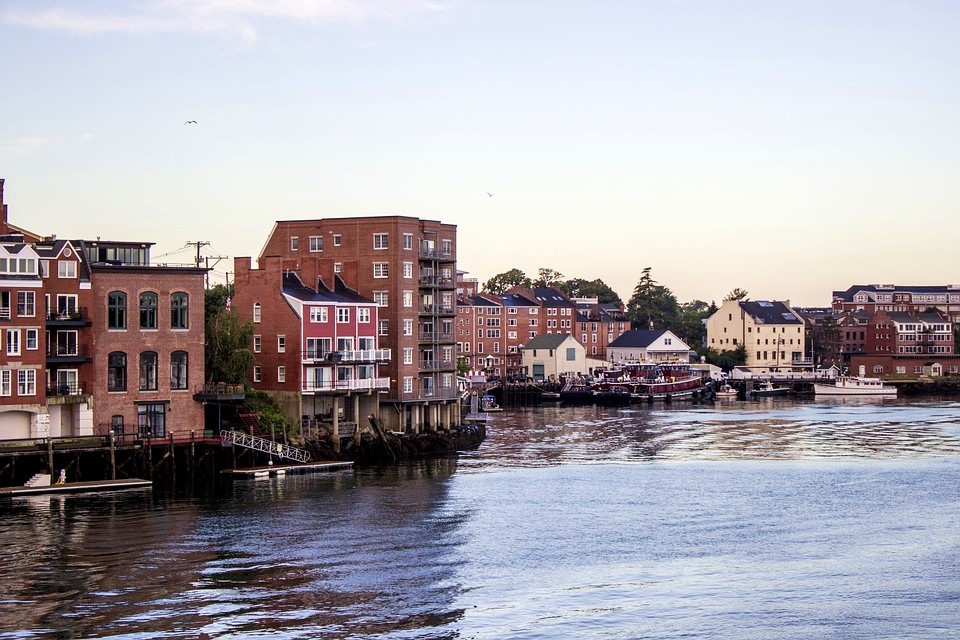
The walkability of downtown Portsmouth was an unexpected part of the trip. The city's compact size and pedestrian-friendly layout puts just about everything a city dweller could want to see, easy to explore on foot, from the historic landmarks to the modern attractions. We could have parked our car for the weekend and left it untouched until we left and still never have seen everything that Portsmouth has to offer.
Portsmouth sits in the southeastern corner of New Hampshire, along the Piscataqua River that forms the border between New Hampshire and Maine. I-95 runs along the west side of town and three major bridges cross the river to Maine.
As one of the oldest settlements in the region, Portsmouth's layout reflects its colonial roots, with a grid of narrow streets and alleys that wind their way through the historic downtown. This compact street grid makes it easy to explore the town on foot, with most of the major landmarks and attractions located within a few blocks of each other.
Beyond its historic center, Portsmouth features a modern commercial district that stretches along the Route 1 Bypass to the west of the downtown core. This area not only includes several shopping centers, big-box stores, and restaurants, it also has an international airport, something surprising for a city of only 20,000 people.
Despite its small size, Portsmouth plays an important role in the region's economy and culture. As a major port city, it has long served as a gateway to the Atlantic Ocean and beyond, with shipping and fishing playing a significant role in its history. Today, Portsmouth is a thriving center of business, tourism, and the arts, attracting visitors from around the world to its unique blend of history and modernity.
As my wife and I wandered through the streets of Downtown Portsmouth, we were immediately struck by the town's rich architectural heritage. The historic buildings that line the streets are a testament to the town's colonial roots, with their classic New England-style facades and distinctive brickwork.
One of the most iconic landmarks in the town is the North Church, which dominates the skyline with its tall white spire. Built in 1854, the church is a classic example of Federal-style architecture, with its simple yet elegant design and Greek Revival details.
Just a few blocks away from the North Church, we came across the Moffatt-Ladd House and Garden, a stunning Georgian mansion that dates back to 1763. The house has been beautifully preserved and restored, with period furnishings and artwork that give visitors a glimpse into the lives of the wealthy merchant families who once lived there. The meticulously landscaped garden is also a must-see, with its manicured lawns, elegant fountains, and colorful flower beds.
As we continued our stroll, we were struck by the town's many examples of 18th and 19th-century architecture, from the elegant brick homes that line Middle Street to the historic storefronts and warehouses that now house modern shops and restaurants. One standout example is the Music Hall, a beautifully restored Victorian-era theater that has been a cultural center of the town since 1878. The theater's ornate plasterwork, gilded ceilings, and crystal chandeliers are simply breathtaking.
Another landmark that caught our eye was the Portsmouth Athenaeum, a historic library and museum that dates back to 1817. The Athenaeum's neoclassical building is a work of art in its own right, with its stately columns and elegant pediment. Inside, the library's collection of rare books, manuscripts, and artwork is a treasure trove of local history and culture.
Of course, no visit to downtown Portsmouth would be complete without a stroll down Bow Street, the town's historic waterfront district. Here, we found a charming mix of shops, galleries, and restaurants housed in historic brick buildings that once served as warehouses and wharves.
As we wandered, we were struck by the vibrant mix of shops, galleries, and cafes that lined the street. The old main streets have been the center of the town's commercial life since its earliest days, and today they remain a bustling hub of activity that draws visitors from near and far.
One of the standout features of Congress Street is the array of unique shops and boutiques that offer everything from handmade crafts and artisanal foods to high-end fashion and home decor. We stopped into several of these shops along the way, admiring the handiwork of local artists and artisans and chatting with the friendly shopkeepers who were happy to share their stories and recommendations.
Another highlight of Congress Street was the numerous galleries and art studios that dotted the street. We particularly enjoyed visiting the Discover Portsmouth Center, a beautiful gallery that showcases the work of local artists and offers insights into the town's rich history and culture. The gallery's rotating exhibitions and educational programs made it a fascinating and engaging destination for visitors of all ages.
Of course, no visit to downtown Portsmouth's would be complete without sampling some of the delicious food and drink that the town is famous for. We passed many many cafes and restaurants along the way offering everything from artisanal pastries and specialty coffee to fresh seafood and craft beer and eventually found ourselves at Googie’s Sandwich Shoppe on State Street.
We are simple people and we greatly appreciate unpretentious, mom-and-pop eateries. This family-owned and operated shop focuses on providing locals with delicious, made-to-order sandwiches and salads in a friendly and welcoming environment.
Two hot sandwiches (a thick steamy Ruben for me and a gluten-free grilled cheese for her) and a shared bowl of tomato-basil soup later, we realized why Googies is a beloved fixture in the Portsmouth community. Its delicious food and welcoming vibe has earned Googie’s functional and no-frills atmosphere, welcoming service, , great ingredients and fair prices the title of the top sandwich shop in Portsmouth for years on end.
After exploring the charming shops, galleries, and cafes of Downtown Portsmouth's historic center, we discovered the city's beautiful Prescott Park. We had taken a long meandering path to explore as much as possible of the city, but if we had taken a direct route from our lodging at the Hampton Inn the near the river at the north end of downtown, it would have been just a ten-minute walk to the park's lush greenery and stunning waterfront views.
Prescott Park is a verdant oasis that stretches along the Piscataqua River. It is home to a variety of gardens and green spaces, including a rose garden, a butterfly garden, and a large open lawn that's perfect for picnicking or sunbathing.
But Prescott Park is also the venue for events and activities throughout the year. During the summer months, the park hosts a variety of concerts, plays, and festivals, including the popular Prescott Park Arts Festival, an annual event featuring live music, theater perform-ances, and arts and crafts vendors, drawing crowds of locals and tourists alike.
In addition to the arts festival, Prescott Park hosts a variety of other events throughout the year, including outdoor movie screenings, farmers markets, and holiday celebrations. We weren’t lucky enough to catch a performance by a local band during our visit, we imagine it would be a wonderful way to spend a warm summer evening, surrounded by the beauty and charm of the park.
One of the biggest regrets we had during our weekend in Downtown Portsmouth was not making it to Strawbery Banke. This 10-acre living history museum is squeezed in between Prescott Park and the bustling streets of downtown, and is a must-visit destination for anyone interested in learning more about the city's rich history and culture.
Strawbery Banke is an outdoor museum with more than 40 restored buildings and gardens that date back to the 17th, 18th, and 19th centuries. These buildings include everything from colonial-era homes and shops to grand Victorian mansions, offering a fascinating glimpse into Portsmouth's past.
During a visit to Strawbery Banke, visitors can explore the museum's many exhibits and demonstrations, which highlight various aspects of early American life. Some of the highlights include a blacksmith shop, a woodworking shop, and a print shop, where visitors can watch artisans at work and learn about the tools and techniques used in these trades.
The museum also offers a variety of interactive experiences and educational programs, including workshops on historic cooking, gardening, and crafts. And for those who want to dive deeper into Portsmouth's history, the museum offers guided tours led by knowledgeable and enthusiastic docents.
While we didn't make it to Strawbery Banke during our weekend in downtown Portsmouth, we did take a short drive outside of the city center to visit the USS Albacore. This fascinating museum and naval vessel is a must-visit destination for anyone interested in military history or engineering.
The USS Albacore is a retired submarine, commissioned in 1953 and served in the United States Navy for more than two decades as a testbed for submarine technology. It was notable for its innovative design, which included a teardrop-shaped hull and a powerful propulsion system that allowed it to reach record high speeds and dive deep underwater.
Today, the USS Albacore is open to the public as a museum, offering visitors a chance to explore its interior and learn about life aboard a sub-marine. During our visit, we were struck by the cramped and claustro-phobic conditions that submariners endured during long deployments, and we marveled at the complex machinery and systems that kept the vessel running.
There was a second vessel on display next to the Albacore: the "Ghost". This unique boat has stealth characteristics and is capable of super-cavitating, which means it can travel at high speeds by creating bubbles in front of its two underwater pontoons. We were amazed by the technology and engineering that went into the Ghost's design, and it was fascinating to learn about its military applications.
After seeing the Albacore, we took advantage of the convenience of our car to drive over the three major bridges that span the Piscataqua River.
The first bridge we drove over was the Memorial Bridge, which connects Portsmouth to Kittery, Maine. This bridge has a rich history, having been built in 1923 and then replaced with a new bridge in 2013. The new Memorial Bridge is a modern marvel of engineering, with a distinctive green color.
Next, we crossed the Sarah Mildred Long Bridge, which connects Portsmouth to the neighboring city of Dover. This bridge is much larger than the Memorial Bridge and is a crucial transportation link for the region. We marveled at the size and scope of this massive structure as we drove over it, also imagining what it would be like when the road deck is raised so that ships can go under it.
Finally, we drove over the iconic Portsmouth Harbor Bridge, which connects Portsmouth to the town of Kittery Point, Maine. This bridge is the oldest of the three, having been built in 1923. Despite its age, the Portsmouth Harbor Bridge is still an impressive feat of engineering, with a distinctive arched design and a commanding view of the surrounding area.
After a day of exploring downtown Portsmouth and its surrounding areas, it was time for dinner at the Rooftop at the Envio restaurant on top of the AC hotel.
Upon arriving at the Rooftop at the Envio, we were immediately impressed by the stunning views of the city and the Piscataqua River. We opted to dine in one of the two private "igloo" structures on the outside patio, which adds an extra level of coziness and privacy for wintertime diners. During the summer tourist season, the patio will feature outdoor seating for 50.
The menu at the Rooftop was a fusion of Mediterranean and New England cuisine, with an emphasis on locally sourced ingredients. We started with three different appetizers – potstickers, capriccio, and roasted peppers. For our entrees, my wife had the baked haddock with a rye crumble while I had the filet.
Simply naming the dishes doesn’t do them justice. The incredibly tender petite filet mignon was glazed with a herb-infused butter and accompanied with smashed baby potatoes, spicy pickled vegetables, and asparagus spears. Imagine the same careful preparation and presentation of locally-sourced ingredients, all served by attentive staff.
Overall, our dinner at the Rooftop was a highlight of our weekend in downtown Portsmouth. The combination of stunning views, delicious food, and top-notch service made for a memorable dining experience. We highly recommend dining at the Rooftop, and if you can snag one of the private igloos, even better!
We lingered over dinner and our dessert of “Sticky Toffee Pudding” – a hot sweet bready pudding, almost like hot chocolate cake topped with salted caramel sauce, chopped hazelnuts, and whipped cream, We had planned to visit Jimmys Jazz and Blues Club to wrap up the evening, but after a long day of exploring and a marvelous dinner, we returned to our comfortable room at the Hampton Inn.
The next morning, we were pleased to discover that the hotel provided a hot breakfast for all guests. The breakfast spread was impressive, with a variety of options to from oatmeal to cheese omelets, waffles, pastries, and cold cereal. The filling hot breakfast provided a satisfying start to our day.
Overall, the hot breakfast at the Hampton Inn was a great way to start our day and provided a convenient and delicious way to fuel up before heading out to explore more of downtown Portsmouth.
Had we been there for a longer stay, right across the street is Residence Inn, which specializes in creating a home away from home. Every room has a kitchenette and clear demarcation between living and sleeping areas. Or if we had the budget, we might have been pampered at the AC Hotel.
There’s so much that we couldn’t squeeze in to our two-day trip… museums, events, festivals, art galleries, and an abundance of outdoor activities like kayaking and paddleboarding on the Piscataqua River to hiking in nearby state parks.
Perhaps on our next visit. We’ll have to set aside time for that. And of course we’ll set aside time to explore all of the charming boutique shops and specialty stores that line the streets of downtown Portsmouth, offering everything from handcrafted jewelry to vintage clothing along with the plethora of dining options, from fine dining restaurants to casual cafes and bistros, showcasing the diverse culinary scene of Portsmouth.
Two days isn’t nearly enough to fully experience downtown Portsmouth.